
Reading & Phonics
At the Whinless Down Academy Trust, we believe that learning changes lives. Reading is a fundamental life skill and underpins success across the curriculum and beyond. We are fully committed to ensuring all children become confident, fluent readers who enjoy reading for pleasure and can apply their reading skills to support wider learning.
Early Reading: EYFS and KS1
Across the Trust, children begin their reading journey either in Nursery (Vale View) or in Reception (Priory Fields and St Martin’s). Regardless of entry point, all pupils follow the same ambitious, carefully sequenced early reading curriculum, ensuring consistency and equity across our schools.
Phonics
We believe that all children can become fluent readers. Reading is taught daily through Little Wandle Letters and Sounds Revised, a systematic synthetic phonics programme delivered with consistency and fidelity across the Trust.
At Vale View, phonics teaching begins in Nursery, where children develop the foundations for early reading. At Priory Fields and St Martin’s, children begin their phonics journey in Reception. In all schools, pupils build secure knowledge of the alphabetic code step by step, enabling them to read unfamiliar words with confidence as they progress.
Phonics learning is reinforced through shared reading and writing opportunities across the curriculum so that pupils apply their skills in meaningful contexts. Strong emphasis is placed on spoken language, as listening and speaking are vital foundations for reading and writing.
Foundations for Phonics
Where children attend Nursery at Vale View, they are supported through a balance of child‑led and adult‑led experiences that prepare them for formal phonics teaching. These include:
- sharing high‑quality stories, poems and rhymes
- developing focused listening and attention
- oral blending activities
- exposure to rich, high‑quality language
In schools without Nursery provision, these foundations are embedded carefully within Reception practice, ensuring all children make a strong start to phonics learning.
Daily Phonics Lessons
Phonics is taught for 30 minutes daily. In Reception, lessons build quickly from short sessions to the full lesson length, with teaching beginning from the start of Reception year to ensure pupils make a strong early start.
Teaching follows Little Wandle expectations:
- Reception pupils learn Phase 2 and 3 GPCs and Phase 4 with increasing fluency
- Year 1 pupils consolidate Phase 3 and 4 and are taught Phase 5 GPCs
Keep‑Up Support
Any child who needs additional practice receives daily Keep‑Up support, delivered by a fully trained adult. These sessions closely match whole‑class phonics teaching while allowing smaller teaching steps, repetition and targeted reinforcement. This ensures pupils keep up rather than fall behind.
Reading Practice in EYFS and KS1
Children take part in three structured reading practice sessions each week, taught in small groups by trained adults. Books are precisely matched to pupils’ secure phonic knowledge using Little Wandle assessment and book‑matching guidance.
Each session develops:
- accurate decoding
- prosody (reading aloud with expression and understanding)
- comprehension
Reading in KS2
Reading continues to be a high priority throughout Key Stage 2 and is an integral part of daily school life. Pupils engage with a wide range of fiction, non‑fiction, poetry and picture books across English lessons and the wider curriculum. Carefully chosen texts broaden pupils’ vocabulary, knowledge and cultural understanding, enabling them to confidently read to learn.
Adults read aloud to pupils every day. In KS2, this is usually from the class text and provides an opportunity for pupils to engage with age‑appropriate literature while listening to the teacher model fluency, tone, pace and expression.
KS2 Reading Sessions
Reading in KS2 is taught through a whole‑class approach, ensuring all pupils access ambitious texts and high‑quality discussion.
- Pupils take part in one longer reading lesson each week, focusing on key reading skills from the National Curriculum, often linked closely to the class text
- In addition, pupils engage in at least three shorter reading sessions which focus upon developing pupils’ knowledge and skills in the key skills of reading
- Vocabulary from class texts is taught explicitly and revisited regularly to deepen understanding and support wider learning
Reading sessions are carefully planned as part of the overall English journey, often linking directly to writing outcomes or supporting understanding within wider topic learning.
Assessment and Support in KS2
During reading sessions, adults regularly hear pupils read and use professional judgement to identify strengths and next steps. Termly reading assessments support monitoring of progress. Additionally, teachers regularly check that pupils are accessing reading books at an appropriate level to ensure an appropriate level of challenge for pupils whilst also developing reading accuracy and fluency.
All pupils in KS2 are heard read at least once a week. Pupils who are still reading books below age‑related expectations receive more frequent support to enable them to build fluency and confidence quickly.
Reading at Home
Reading at home is actively encouraged across all key stages, as regular practice plays a vital role in developing fluency, confidence and a lifelong love of reading. In EYFS and KS1, children take home a phonically decodable book matched closely to their secure phonics knowledge, enabling them to practise reading accurately and fluently. A sharing book is also provided for adults to read aloud with children, supporting vocabulary development and comprehension. In KS2, pupils are encouraged to read regularly at home from a range of appropriate texts, including fiction, non‑fiction and poetry, to build stamina, deepen understanding and broaden their reading experiences. Across the Trust, we value the role of families in supporting reading and encourage regular discussion about books to strengthen comprehension and enjoyment.
‘Must Reads’
Each class from Reception to Year 6 has a carefully selected ‘Must Reads’ collection of high‑quality texts across a range of genres, including classics and poetry. These texts ensure pupils experience a broad and balanced reading diet, develop cultural capital and rich vocabulary, and reflect thoughtfully on their reading preferences.
Reading for Pleasure
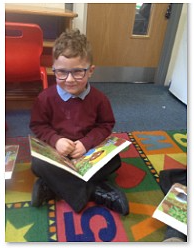
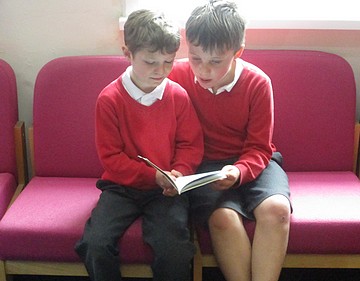
We place a high value on reading for pleasure, recognising its powerful impact on attainment, confidence and well‑being.
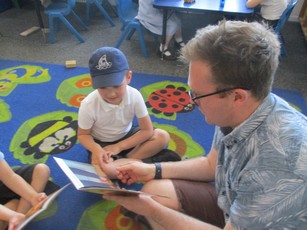
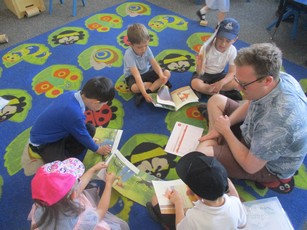
Adults read aloud to pupils daily, selecting books that both reflect pupils’ experiences and introduce them to different cultures, perspectives and ideas. Every classroom has an accessible reading area, with texts chosen to support vocabulary development and a love of reading.
Across the Trust, pupils engage in a range of reading‑focused events such as book fairs, author visits and national reading initiatives, strengthening our shared reading culture.
Pupil Voice (Trust‑Wide)
“Reading helps me learn new words and understand more.”
“I enjoy books that make me laugh and books that teach me facts.”
“Reading helps me do better in other subjects.”
Alignment with the English Curriculum
This reading approach supports our English curriculum intent by ensuring pupils learn to read fluently, develop rich vocabulary and apply reading skills across all areas of learning. Over time, pupils read increasingly complex texts with independence, confidence and understanding, enabling them to know more, remember more and do more.